Introduction
When it involves venomous snakes, Australia is home to several of the most fascinating and harmful species on the planet. Amongst these, the Tiger Snake stands out not only for its potent venom but additionally for its appealing actions. Understanding the habits of venomous snakes like the Tiger Serpent is critical for both wildlife lovers and those residing in areas where these serpents exist. This short article explores numerous elements of Tiger Serpent actions, habitat, recognition, safety measures, and emergency treatment practices in situation of a serpent bite.
Understanding the Behavior of Venomous Snakes Like the Tiger Snake
The Tiger Snake, scientifically called Notechis scutatus, is notorious for its aggressive nature when endangered. These serpents display a series of actions that can be fairly different from their non-venomous equivalents.
Characteristics of Tiger Snakes
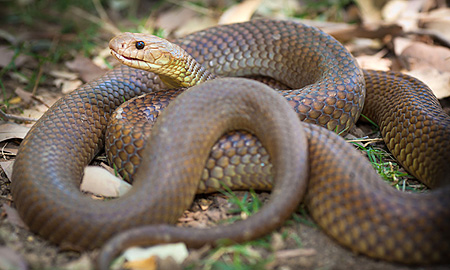
The Tiger Serpent is easily recognizable due to its unique bands or red stripes that appear like a tiger's markings. They can vary in color from yellowish-brown to dark olive or black. This pigmentation serves not just as camouflage but likewise as a caution signal to possible predators.
Adaptability to Environment
One amazing aspect of their actions is their flexibility to different settings. Located mainly in seaside regions, marshes, and wetlands across Australia and Tasmania, they can flourish in varied habitats consisting of metropolitan areas.
Hunting Techniques
Tiger Snakes are ambush killers primarily feeding upon fish, frogs, and tiny animals. They have eager sight and an intense feeling of smell which aids them in finding victim effectively.
Venom Composition
Their poison has neurotoxins that impact the nervous system, causing paralysis or fatality in smaller sized animals. For humans, prompt clinical interest is crucial after a tiger snake bite as a result of its potentially dangerous effects.

Natural Environment of Tiger Snakes
Preferred Locations
Understanding where these snakes live clarify their behavioral patterns. The tiger snake habitat includes:
- Coastal regions Swamps Grasslands Urban locations with plentiful water sources
Seasonal Movements
During warmer months, Tiger Snakes are much more energetic as they bask in sunlight or search for food. In contrast, colder months see them retreating into hibernation sites.
Are Tiger Snakes Venomous?
Yes! The question "are tiger snakes poisonous?" often emerges amongst those not familiar with this varieties. Their poison is thought about among the deadliest amongst all serpent types worldwide.
Symptoms of a Tiger Serpent Bite
If bitten by a tiger serpent, signs and symptoms might consist of:
- Localized pain Swelling at the bite site Nausea and vomiting Sweating and confusion
Immediate medical assistance is critical as untreated attacks can lead to extreme health and wellness issues and even death.
First Aid for Snake Bites: Quick Feedback Guide
Knowing exactly how to provide emergency treatment for a serpent bite might save a person's life. Right here's what you ought to do:
Step 1: Remain Calm
Keeping tranquility helps reduce heart price which minimizes venom spread.
Step 2: Paralyze the Affected Area
Keep the impacted what is the most venomous snake in australia limb still and listed below heart degree if possible.
Step 3: Call Emergency Situation Services
Always seek expert clinical aid instantly after a serpent bite.
First Aid for Serpent Bite Set Essentials
A fully equipped snake bite first aid kit must consist of:
- A compression bandage Antiseptic wipes A pair of scissors A cold pack
Safety Preventative measures: Preventing Snake Bites in Australia
Awareness Programs
Educating communities regarding regional snake types and their actions can significantly reduce experiences causing bites.

Avoiding Harmful Areas
Staying away from lengthy grass throughout warmer months decreases call with snakes that might be relaxing or hunting.
Common Mistaken beliefs About Tiger Snakes
Many individuals believe false impressions regarding the habits of tiger snakes bring about unneeded fear. Here are some clarifications:
Myth 1: All Tigers Are Aggressive
Not all tiger serpents will show aggression if left uninterrupted; lots of choose getting away instead of confrontation.
Myth 2: They Chase Humans
Tiger snakes do not actively chase people; they may strike when they really feel intimidated yet will normally pull away if offered space.
Conservation Efforts Connected to Poisonous Snakes
Conservation efforts concentrate on educating areas about shielding neighborhood wildlife while decreasing human-snake interactions.
Importance of Ecosystems
Understanding that venomous snakes play an essential role in maintaining eco-friendly equilibrium aids foster admiration instead of anxiety in the direction of them.
FAQs About Tiger Snakes
What needs to I do if I experience a tiger snake?- Maintain range and gradually retreat without unexpected movements.
- While attacks aren't exceptionally usual because of recognition initiatives, they still happen yearly within Australia.
- Baby tiger serpents can supply full dosages of poison regardless of being smaller; for this reason care is recommended around them.
- They mainly consume frogs, fish, little mammals like rodents, and various other reptiles.
- It's illegal in most jurisdictions without proper licensing as a result of security issues concerning their venom.
- Wear durable boots and stay on marked tracks; look prior to putting hands or feet right into concealed areas like rocks or logs.
Conclusion
Pressure bandageUnderstanding the habits of poisonous serpents like the Tiger Snake not What are the most venomous snakes in Australia just boosts our knowledge however likewise promotes safety and security recognition among those living near their environments. From acknowledging their features, recognizing emergency treatment procedures complying with a bite, via engaging conservation initiatives-- every element plays a necessary role in fostering conjunction with these remarkable reptiles while respecting their area within our ecosystem.
As we grow our understanding with education and learning and experience, we add favorably toward making certain both human safety and security and wildlife conservation-- benefitting all celebrations involved!